
Beautiful doesn’t have to mean white, skinny, wide-eyed or straight-haired
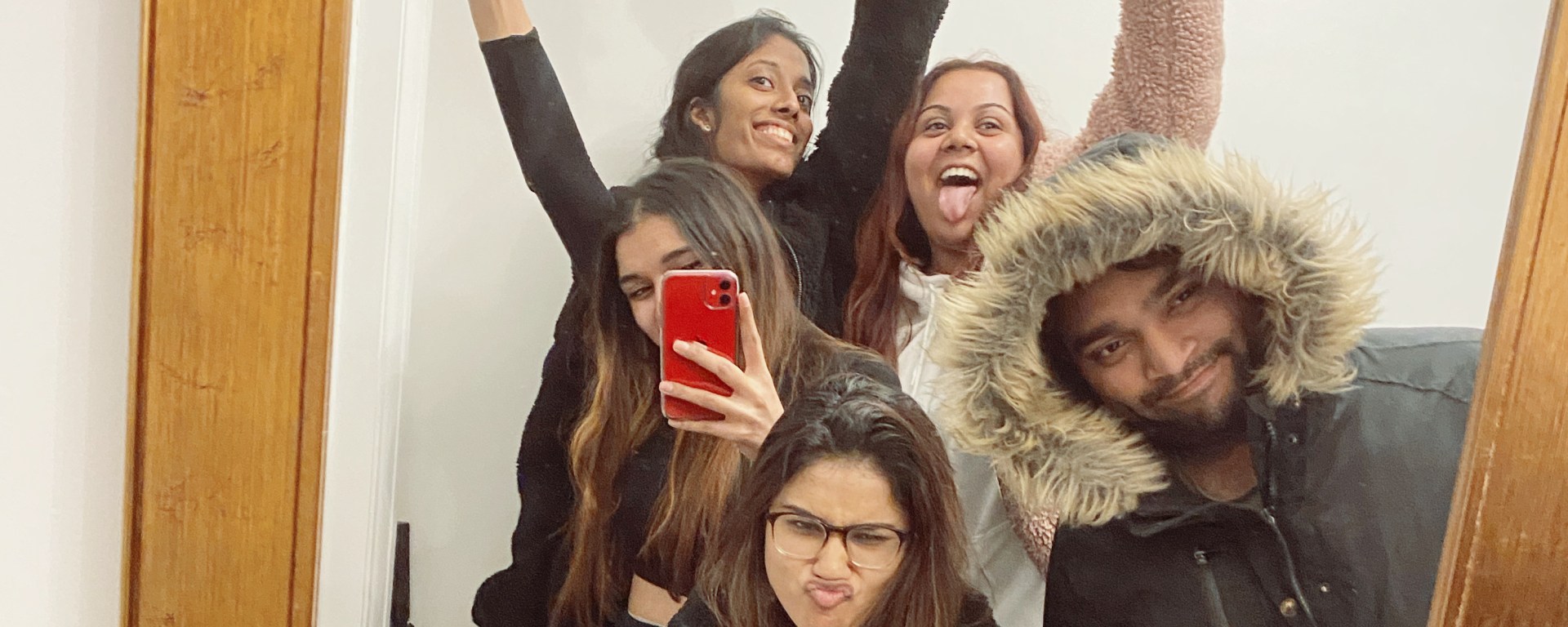
Earlier this week I was discussing the concept of race and beauty standards with two of my Tamil friends, Kamsi and Saran. Saran said “I don’t mean to offend you in saying this, but someone who is White and considered a 10, will be held to a different standard to a person of colour who is considered a 10”. Of course, societal beauty expectations for people of colour are much lower than those for people with European features. Western beauty standards carry inherent racism and I’d be lying if I said I could see that changing any time soon. We entered a discussion about how different the standards of beauty are between races and I thought back to my point in my last blog post about how the colour of my skin means I struggle to believe when white people call me pretty. As a person of colour, you never trust such comments from someone who meets Western standards, because you’re nowhere near them yourself.
I realised the importance of separating the insecurities felt by women in general versus insecurities faced specifically by women of colour. Women of colour who fall closer to ideal Western beauty standards – light skin, thin waist, straight hair – are often branded as “exotic”, whereas women who don’t fall into this group suffer more racism and discrimination. The “exotic” trend brings another worry for women of colour, because it seeps into the world of fetishism. It draws the question of whether interest from white people is because of who we are, or because of our non-white physical appearance bringing something “different” to their social circle.
The line between racism and beauty ideals is murky – but the reality is that the notions of beauty standards are pretty set in stone. Generations of social conditioning uphold dominant colonial Western standards, despite being challenged in more recent times. Whitening creams are being sold all over South Asia, countless young men and women in South Korea get double eyelid surgery (it’s actually the most popular plastic surgery in the country) and women with dark eyes wear lighter contacts because lighter equals prettier. Although it never seemed to affect my day-to-day life, I realise now that this lack of confidence was always there, I just needed Saran to put it into words. All this time I thought that my insecurities had nothing to do with race, but now I see that it was everything.
The iconic 1947 “Doll Test” was a pilot study in investigating the psychological impact of segregation on African-American children aged six to nine. Dr Kenneth and Mamie Clark asked the children to choose between a White doll and a doll which was painted brown (as no brown ones could be found).
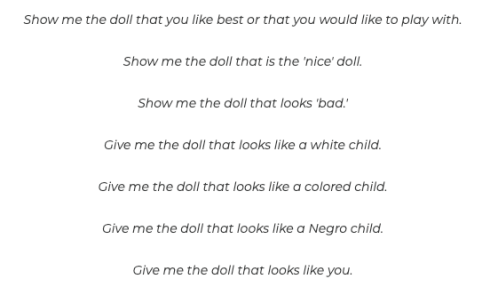
They found that Black children chose to play with White dolls more than black ones, and when asked to colour in a picture of a human so that it looked like them, children often chose a shade lighter than their actual skin colour. Whilst White dolls were described as “good” and “pretty”, children described the Black dolls as “bad” and “ugly”. By the time the researchers asked the final question, the children had already expressed their negative feelings about the darker dolls – unsurprisingly, 44% of the subjects said they looked like the White doll. Many children in past tests refused to pick either doll or started crying and ran away, making their internalisation of racism very apparent. Despite the study being criticised for potential bias and lack of experimental weight, I fully believe in these results because honestly I can relate to them.
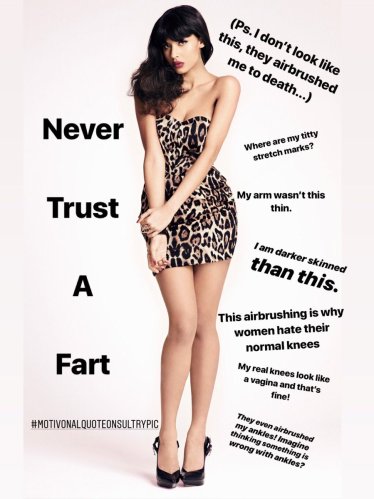
The stigma flows into society’s views of inter-racial relationships, as black and brown people are often made to believe that they’re punching above their weight, or are treated like they have an ulterior motive. Such relationships tend to raise eyebrows as many think we are using people with Eurocentric features to climb a social ladder. We look at our partner’s skin and then look at our own, wondering why they would want someone like us if we so clearly don’t meet the typical idea of beautiful. We end up feeling used and out of place, regardless of the other person’s actual intentions. Of course, impossible beauty standards exist for everyone, regardless of race and gender; however, for people of colour there are many more hurdles to jump over and there’s an ultimately unattainable end goal.
This is why we need more diverse representation in the media – our phones and TV screens are society’s biggest influencers and a huge amount of change is needed in order to break down the notion that white is the norm. Women of colour are still so underrepresented in the media and perhaps if we changed that, young girls would grow up with ideologies different to what was shown in the “Doll Test”.
Most of my closest friends are Tamil – this wasn’t a conscious choice but reflecting on it now, I realise it happened because I feel safe with them. Conversations like this one can happen with complete honesty and understanding. We’re all just trying to survive in a systematically racist society and I’m incredibly grateful that I have the space to talk about this sort of thing.
I’ve accepted that I don’t and I will never meet Western standards of beauty. But I’m learning to celebrate that, and more importantly, things other than that. Beautiful doesn’t have to mean white, skinny, wide-eyed or straight-haired, but the industry rakes in huge amounts of money from our insecurities, until we’re fundamentally changing ourselves just to feel normal. The central issue is the fact that physical beauty holds so much power for women in particular – it ties into our self-worth in social settings as well as in the workplace. So it’s incredibly important to speak up about it because nothing is going to change unless all of us demand it.
 Thivya K
2 thoughts on “You don’t think I’m pretty, you think I’m pretty for a brown girl”